
Mother Nature was generally kind to Bamberg County farmers in 2023 as crops across the board generally yielded well.
Growers are hoping good yields will help offset falling commodity prices and relatively stable input costs.
"Overall, it has been another good year for row crops in Bamberg County," Bamberg Farm Service Agency County Executive Director Chris Wallace said. "Input prices remain high, but not quite as high as last year."
Wallace said winds and rains from once Hurricane Idalia did knock off about 10% of they county's corn yields despite the fact that Idalia was downgraded to a tropical storm by the time it made its presence felt in Bamberg County.
Bamberg County farmer Richard Rentz's story confirms Wallace's assessment.
Rentz said overall his 2023 saw a "good growing season."
People are also reading…
"The hurricane or the tropical storm by the time it got here shook us up a little bit," Rentz said. "We had an excellent year in corn but we lost more than I had anticipated. We got a little more wind in some places."
"We lost about 10% of our crop," Rentz continued. "It blew it down."
"But we had a good year," Rentz said. "It was an outstanding crop, maybe even the best ever even with it blowing down."
Rentz said his cotton crop also looks "pretty good."
"We won't be able to tell much about that until we get the leaves off of it and the picker in the field," Rentz said, noting his guess is that the crop has suffered "from too much water leaking some nutrients out."
"It is probably not a record crop, but it was a nice crop I think," he said.
Rentz said his dry commercial peanut crop looks good thus far, though the crop as of this writing was still several weeks from harvesting.
Decent crop yields coincide with input costs that are slightly lower but still relatively historically high.
Rentz said fertilizer costs were down from last year but he said he did not see much of a difference with equipment, parts and pesticides.

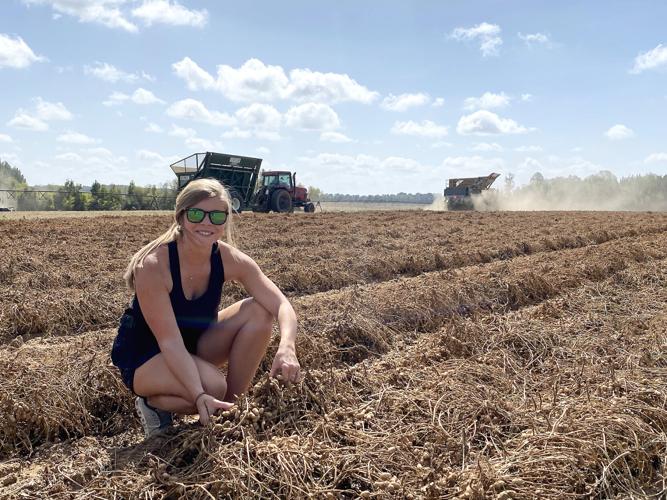
Bamberg County farmer Mary Katherine Harrington and her husband, Madison, planted 300 acres of peanuts at this farm off of Fire Tower Road nea…
"They are still high," Rentz said.
This is on top of falling commodity prices.
"All prices are down," Rentz said. "Peanuts are about like they were last year."
Input costs for anhydrous fertilizers have generally been lower on average this year than in 2022, and have also been on the gradual decline throughout the year.
Despite the drop-off, costs have still been higher than the five-year average and higher than 2021, though the latter portion of the summer saw prices fall slightly below both 2021 and the five-year average.
According to ag company DTN, all fertilizers through the end of September were lower by double digits compared to a year ago.
Some of these include MAP (monoammonium phosphate) by 25%, DAP (diammonium phosphate) by 26%, 10-34-0 by 29%, urea by 30%, UAN28 (urea, ammonium-N and nitrate-N.) by 39%, UAN32 by 40%, potash by 43% and anhydrous by 45%.
There are a multiple reasons for lower fertilizer prices, according to experts.
A key factor is the cost of natural gas, the key energy input in the processing of anhydrous ammonia and other fertilizer products, has trended downward over the past year after peaking in 2022.
Overall, Rentz said he expects good crop yields to help offset the lower prices.
"I think we will make something this year," Rentz said. "I don't think it will be a banner year because of the price of commodities, but I think it will be okay."
Bamberg County farmer Mary Katherine Harrington and her husband, Madison, planted about 650 acres of cotton and 300 acres of peanuts at their B&B Farms.
The plantings were slightly tweaked during the spring planting plans in light of high input costs and yield-production expectations.

T&D Bamberg County farmer Mary Katherine Harrington and her husband, Madison, planted about 650 acres of cotton and 300 acres of peanuts a…
"It was off to a pretty slow start," Harrington said. "The weather was just really really cold and rainy in May and so that delayed germination and getting everything up and ground cover. We were fighting a little bit more weed pressure than usual because of that early on."
Harrington said things did improve.
"Once we hit the end of June on into August, we really started seeing the growing degree days that we need," Harrington said. "Things kind of took off and everything kind of sat stagnant together for so long, even though we planted over a three-week time. Everything is kind of finishing out all together."
Harrington said generally it was a "pretty decent year weather-wise."
"There was good rain when we needed it," Harrington said. "We have been fortunate and thankful for that."
A majority of the couple's crops are irrigated.
IN PHOTOS: National Black Growers Council takes tour of Rowesville farms
National Black Growers Council Farm Tour

National Black Growers Council Farm Tour
National Black Growers Council Farm Tour

National Black Growers Council Farm Tour
National Black Growers Council Farm Tour

National Black Growers Council Farm Tour
National Black Growers Council Farm Tour

National Black Growers Council Farm Tour
National Black Growers Council Farm Tour

National Black Growers Council Farm Tour
National Black Growers Council Farm Tour

National Black Growers Council Farm Tour
National Black Growers Council Farm Tour

National Black Growers Council Farm Tour
National Black Growers Council Farm Tour

National Black Growers Council Farm Tour
National Black Growers Council Farm Tour

National Black Growers Council Farm Tour
National Black Growers Council Farm Tour

National Black Growers Council Farm Tour
National Black Growers Council Farm Tour

National Black Growers Council Farm Tour
National Black Growers Council Farm Tour

National Black Growers Council Farm Tour
National Black Growers Council Farm Tour

National Black Growers Council Farm Tour
National Black Growers Council Farm Tour

National Black Growers Council Farm Tour
National Black Growers Council Farm Tour

National Black Growers Council Farm Tour
National Black Growers Council Farm Tour

National Black Growers Council Farm Tour
National Black Growers Council Farm Tour

National Black Growers Council Farm Tour
National Black Growers Council Farm Tour

National Black Growers Council Farm Tour
National Black Growers Council Farm Tour

National Black Growers Council Farm Tour
National Black Growers Council Farm Tour

National Black Growers Council Farm Tour
National Black Growers Council Farm Tour

National Black Growers Council Farm Tour
National Black Growers Council Farm Tour

National Black Growers Council Farm Tour
National Black Growers Council Farm Tour

National Black Growers Council Farm Tour
National Black Growers Council Farm Tour

National Black Growers Council Farm Tour
National Black Growers Council Farm Tour

National Black Growers Council Farm Tour
National Black Growers Council Farm Tour

National Black Growers Council Farm Tour
National Black Growers Council Farm Tour

National Black Growers Council Farm Tour
National Black Growers Council Farm Tour

National Black Growers Council Farm Tour
National Black Growers Council Farm Tour

National Black Growers Council Farm Tour
National Black Growers Council Farm Tour

National Black Growers Council Farm Tour
National Black Growers Council Farm Tour

National Black Growers Council Farm Tour
National Black Growers Council Farm Tour

National Black Growers Council Farm Tour
National Black Growers Council Farm Tour

National Black Growers Council Farm Tour
National Black Growers Council Farm Tour

National Black Growers Council Farm Tour
National Black Growers Council Farm Tour

National Black Growers Council Farm Tour
National Black Growers Council Farm Tour

National Black Growers Council Farm Tour
National Black Growers Council Farm Tour

National Black Growers Council Farm Tour
National Black Growers Council Farm Tour

National Black Growers Council Farm Tour
National Black Growers Council Farm Tour

National Black Growers Council Farm Tour
National Black Growers Council Farm Tour

National Black Growers Council Farm Tour
"Fortunately, we have not had to run a lot of irrigation," Harrington said. "We ran some kind of early on to get cotton up, because it kind of struggles to get out of the ground and get going. It is such a delicate small plant that with the clay in our soil, we kind of struggle to get it up in dry conditions. But so far, not a whole lot of irrigating has had to happen this year."
Harrington said though it was early to tell how cotton will fair, she is hoping for two bales or 1,000 pounds of cotton an acre.
"Anything over that is better," she said.
The March 2024 cotton price forecast has the crop at about 89 cents a pound, slightly up from the 85 cents seen by growers in early October.
"It has kind of sat around the 80 to 90 mark throughout this summer," Harrington said. "Everybody wants a $1. We have seen a $1 cotton over the past couple of years and so I think we all just hope it gets back there."
Harrington said her father has sold cotton in days gone by in the mid-30-cents range.
"You just never know; inputs were pretty similar to last year," Harrington said, noting she has heard from grain marketers that next year input prices are expected to be down. "We are excited for that, but obviously it has not happened yet."
"It could always be worse, but we are thankful it is not," Harrington said.
Peanuts also had a slow start but have come around as did cotton.
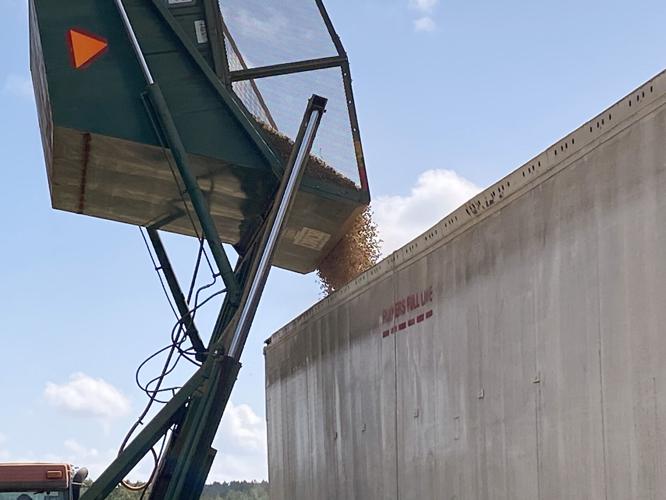
"I think the buying point we sell to has been pleased with grades," Harrington said, noting while yields look "pretty good," the couple at the time of this writing were about three days into harvesting.
One other challenge the Harringtons faced in 2023: deer pressure early in the growing season on cotton.
T&D SPRING FARM EDITION: Cotton is not king in 2023
The farming outlook for 2023 in The T&D Region and beyond.

The Clemson University's Edisto Research and Education Center in 2023 is focusing on a number of innovative research projects, one of which is…
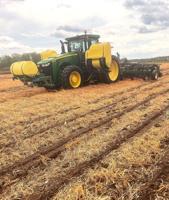
Orangeburg County farmer Jeffrey Axson has a dilemma heading into the 2023 growing season.

As I write this, an early spring has sprung in South Carolina.

You have probably heard of South Carolina Farm Bureau, and likely, the first thing that comes to mind is insurance (we have great insurance!)

Orangeburg area fruit and vegetable farmers in 2023 will once again have to contend with high input costs eating into profit margins, a trend …

Bamberg County farmer Mary Katherine Harrington comes from a long line of farmers.

Feed and energy input cost management, labor availability and enhancing biosecurity control measures are top issues facing livestock growers in 2023.

Cameron native and St. Matthews resident Monty Rast is no stranger to the world of farming.
"Once the cotton gets over a certain size, it can sustain some damage," Harrington said. "Peanuts are pretty resilient. Honestly, we see the worst deer pressure after peanuts are dug in that four-day period of drying."
Corn
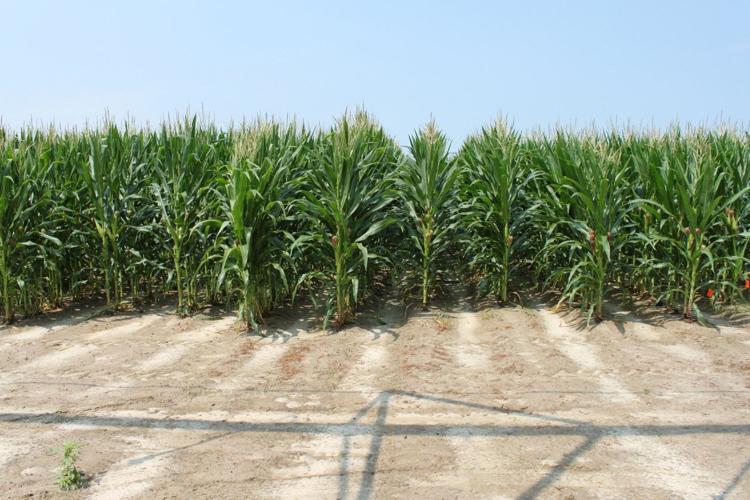
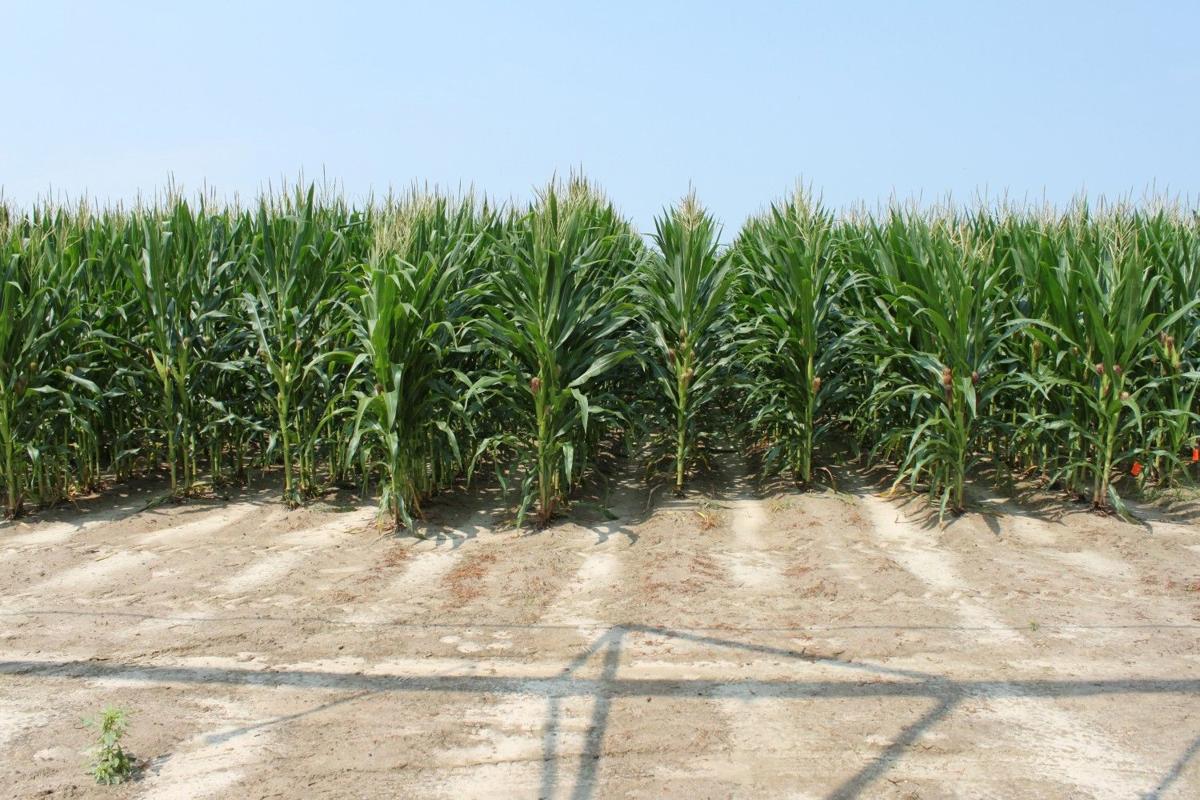
About 6,609 acres of corn were planted in Bamberg County in 2023, which is up about 16% from 2022, when 5,600 acres of corn were planted the county.
About a quarter of the corn crop was irrigated.
"Timely rains helped corn yields despite the crop enduring the hottest July and August on record," Bamberg Farm Service Agency County Executive Director Chris Wallace said. "Yields were very good overall."
Wallace said non-irrigated corn yields were estimated at up to 150 to 175 bushels per acre by some producers, while irrigated corn acres yielded up to 200 bushels to 225 bushels per acre.
Positive yields did come with a lower corn price as compared to 2022.
Corn prices at the end of September were about $4.61 per bushel as compared to corn prices in October 2022 at $7.50 per bushel.
"Input prices for non-irrigated corn were around $450 per acre and you could add $250 more per acre if it was irrigated," Wallace said.
One impact on corn yields was winds and rains associated with Hurricane Idalia. By the time the storm came into the Bamberg County area, it was downgraded to a tropical storm. Despite that, the storm knocked off about 10% of the corn yields.
Peanuts
About 2,884 acres of Runner Peanuts were planted in 2023, which was up from about 2,692 acres of runners planted in the county in 2022.
Wallace said about 30% of the crop was irrigated, but as of this writing, none of the runner peanuts had been harvested.
"Yields are estimated to be good overall," Wallace said. "Estimated peanut yields for irrigated runner peanuts may average up to 4,500-5,000 pounds per acre, while non-irrigated yields may come close to that also."
Prices for runner peanuts are about $525 per ton, Wallace said.
In Virginia peanuts, about 310 acres were planted. This is less than half of the Virginia peanuts planted last year, Wallace said.
"Estimated peanut yield for Virginia peanuts was also estimated to be up to 5,000 pounds," Wallace said, noting about 20% of the crop was irrigated.
As of this writing, about 10% of the Virginia peanut crop had been harvested.
Prices for Virginia peanuts were about $550 per ton.
Contract prices for the crop were relatively stable as compared to 2022.
Cotton
About 4,192 acres of cotton werr planted in Bamberg County in 2023, which was down about 32% from the 6,146 acres in 2022.
The reduction in acreage of cotton can be blamed in large part on the increase in cotton seed prices and lower cotton prices.
Many county farmers resorted to what is called skip row production, where some rows are left unplanted. Skip-row planting is touted as a means of saving soil water for the reproductive stages of growth.
About a third of the crop was irrigated.
"Cotton yields look promising overall," Wallace said. "Cotton harvest has not started yet (at the time of this writing) but realistic cotton yields, according to local producers, range from maybe 1,000 to 1,250 pounds per acre for non-irrigated cotton and maybe 1,500 pounds per acre average yield for irrigated cotton."
The cotton price was around 87 cents per pound, but with input costs, cotton producers need about $1 per pound to make a profit, Wallace said.
Soybeans
Unlike cotton, soybean acreage in the county "increased significantly from last year."
About 5,620 acres of soybeans were planted in 2023 compared to 4,224 acres in 2022.
"Good soybean crop overall," Wallace said. "Yield estimates are around 45 bushels per acre."
Soybean prices were somewhat robust around $13 per bushel, though they were down slightly from 2022's $14.
Wheat
About 1,384 acres of wheat were planted in Bamberg County in 2023, which was up slightly from the 1,257 acres in 2022.
"The wheat crop was good overall (60-70 bushels per acre)," Wallace said, noting a good crop came as prices of 5.80 per bushel hover at a three-year low.
Overview
Though it has been difficult farming for the past several years, living off the land continues to be key in Bamberg County.
"Agriculture remains a huge part of Bamberg County’s economy," Wallace said.
According to the 2017 Census of Agriculture data, Bamberg County is home to 355 farms consisting of about 102,591 acres. The average size of a farm is 289 acres.
The county has a total of 252 cropland farms consisting of about 53,499 acres.
The agricultural census is taken every five years.
Overall, Bamberg County ranked 25th in the total market value of crops, livestock and poultry sold at $36.9 million, according to the 2017 census. The county ranked 17th in the market value of crops sold at $22.9 million.
The county ranked sixth in melons, vegetables, sweet potatoes and potato sales at $4.8 million. The county ranked eighth in other crop and hay sales at $4.9 million.
The county ranked 12th in cotton sold at $4.5 million.
New census data will be released in the spring or summer of 2024.