


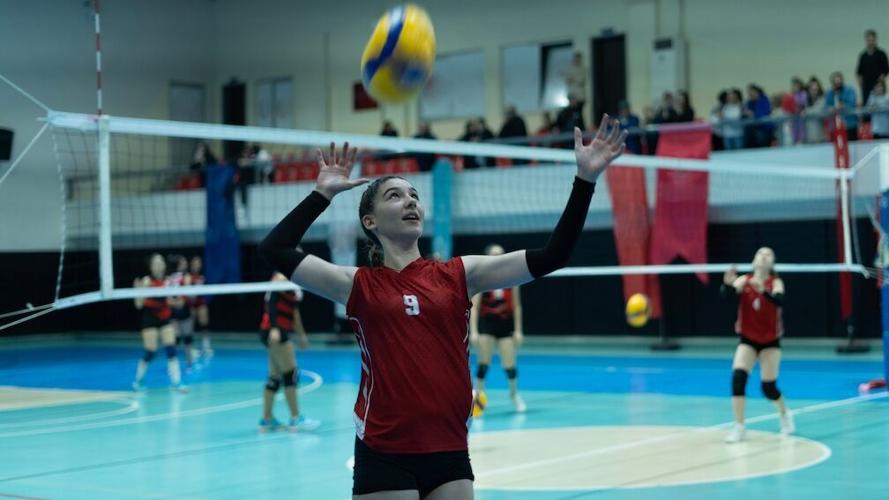


Volleyball requires repeated jumping, landing, diving, and overhead movements that can place significant stress on the ankles, knees, and shoulders. While injuries are part of sports, athletes can take proactive steps to reduce their risk and recognize potential problems before they become more serious.
Morgan Krug, McLeod Sports Medicine athletic trainer, works with volleyball athletes at Francis Marion University (FMU) and discusses common volleyball injuries, proper landing techniques, injury prevention strategies, and the importance of addressing pain early.
What are the most common volleyball injuries?
Volleyball players can experience several types of injuries, particularly in the ankles, knees, and shoulders.
According to Krug, some of the most common volleyball injuries include:
People are also reading…
- Ankle sprains: A classic lateral ankle sprain is one of the most common ankle injuries in volleyball.
- Patellar tendonitis: This condition affects the tendon connecting the kneecap to the shinbone and is a common source of knee pain.
- ACL tears: Although not as common as some other injuries, anterior cruciate ligament (ACL) tears can occur.
- Concussions: Players may sustain concussions when diving on the floor, colliding with teammates, or being hit by the ball.
- Lower back pain and tightness: Repeated movements and the physical demands of volleyball can contribute to back discomfort.
Understanding these potential injuries can help athletes recognize symptoms and seek appropriate evaluation when needed.
Why are ankle injuries so common in volleyball?
Ankle injuries are particularly common because volleyball players repeatedly jump and land in close proximity to other players.
During swings and blocks, players on both sides of the net often jump and land simultaneously in tight spaces. When a player comes down on the foot of a teammate or an opposing player, an ankle sprain can occur.
Although athletes cannot eliminate every risk, proper landing mechanics and ankle strengthening can help reduce the likelihood of injury.
How can volleyball players improve their landing technique and lessen injury risks?
Proper landing technique is an important part of volleyball injury prevention. Krug recommends several strategies to help players manage the forces placed on their bodies when landing.
- Land on both feet when possible
Players should aim to distribute landing forces evenly by landing on both feet whenever and wherever possible. - Use a toe-to-heel landing transition
Athletes should land on their toes first and then gradually transition to their heels. This helps them manage the forces involved in landing. - Bend the knees to absorb impact
Bending the knees during landing helps absorb the forces generated by jumping and coming back down to the floor. - Be mindful of the center line
Players should remain aware of the center line and their positioning relative to teammates and opponents, particularly when jumping near the net. - Strengthen the muscles supporting the ankles
Strengthening the muscles that support the ankle joint, including the calf and foot muscles, is another important prevention strategy.
Krug recommends balance drills and plyometric exercises before training to help strengthen these muscles and prepare athletes for the demands of volleyball.
What should volleyball players know about knee and shoulder injuries?
While ankle sprains are a major concern, volleyball also places considerable stress on the knees and shoulders.
Krug explains that many knee and shoulder problems are overuse injuries associated with pain from repetitive movements.
Potential injuries and conditions include:
- Patellar tendonitis
- Rotator cuff tendonitis
- Shoulder impingement syndrome
- Labral tears
- Scapular dyskinesis
These injuries can develop when athletes repeatedly perform the same movements without adequately addressing poor mechanics or muscle imbalances.
High volumes of repetitive activity, poor movement mechanics, and muscle imbalances that go unchanged or untreated are among the primary contributing factors.
Being proactive about conditioning, technique, and injury symptoms can help athletes address concerns before they become more significant problems.
How do athletic trainers help volleyball players prevent injuries?
Athletic trainers play an important role in helping athletes manage their health throughout the season.
Krug works at Francis Marion University and has primary teams she supports regularly, including volleyball. Athletes can come to her with their needs and arrange treatment times to take care of themselves.
Her approach emphasizes prevention as well as treatment. By encouraging athletes to maintain healthy routines, address concerns early, and take care of their bodies, athletic trainers can help them manage the physical demands of their sport.
Taking a proactive approach can help volleyball players care for their bodies and better manage the demands of their sport.


