
Bamberg County farmers are expected to take advantage of more attractive corn and cotton prices with increased acreage expected in both commodities in 2021.
“I am sure growers are looking at commodity prices,” Bamberg County Clemson Extension Agent Joe Varn said. “You can advance market those products.”
Corn and cotton futures were hovering in the $4.80 bushel an acre and 80-cent to 85-cent range for cotton in early March and trends continued to be bullish for both crops heading into the fall, according to the Clemson Agribusiness Extension March 8 grain marketing update.
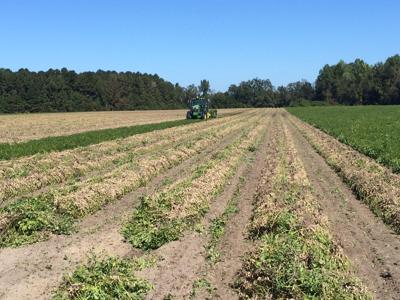
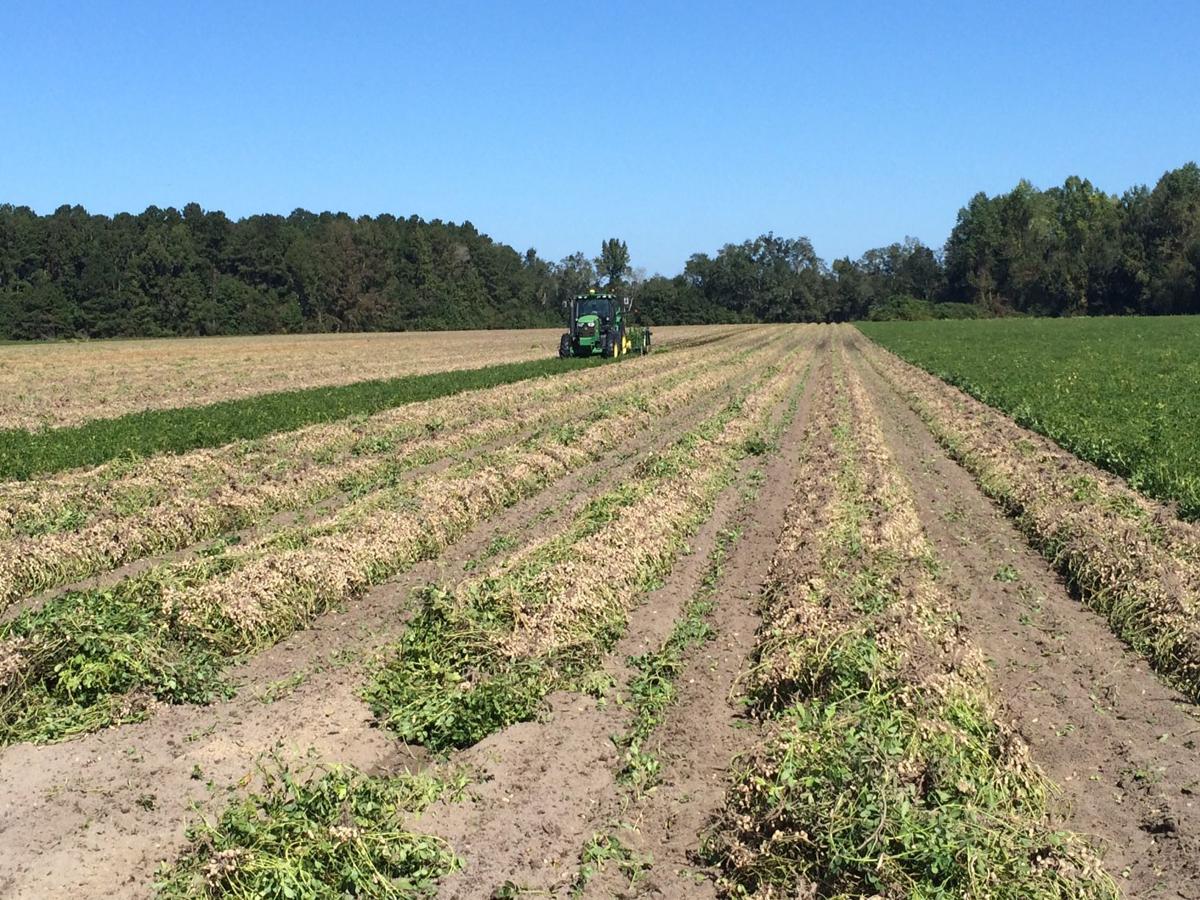
Varn said he expects peanut and soybean acreage to remain relatively stable in the county. Peanut contracts are around $450 a ton while soybean futures are in the $11 and $12 range.
In addition to commodity prices, Varn says some growers, especially cotton farmers, will also be looking at cotton production in China and India, two leaders in cotton production, and that could have an impact on cotton prices.
People are also reading…
But Varn said the most immediate concern is much more locally based.
Will the weather cooperate in order to allow farmers to get in the field and then to have a successful growing season?
Through the middle of March, many growers were having difficulties getting into fields in some areas of the county because of wet conditions, Varn said.
“That is going to delay a little bit of our planting,” he said, adding that with Bamberg County’s "sandy soils’,"he is hoping "once the sunshine comes out and wind starts blowing" that fields will become a little more amenable to planting.
Varn said wheat acreage in the county has also gone up. Wheat has been hovering in the $6-a-bushel range.
“The price of wheat went up so farmers planted some acres of wheat that we have not had planted in a long time,” Varn said. “I have had more wheat calls than I have had in a long time.”
Bamberg County crop farmer Richard Rentz was busy laying down lime and fertilizer on his fields in the middle of March.
“I has warmed up and it feels like spring,” Rentz said during the March 12 interview.
Rentz says his planting plans coincide with commodity prices
“I am going to replace some cotton with some corn and probably put some grain sorghum in the mix,” he said. “The price of grains is up and we can lock in a pretty nice price for corn in the fall. It costs a little less to grow corn than to say cotton.”
Rentz said he is looking to book corn for about $5 a bushel or perhaps a little bit more.
“They (commodity prices) in the last three months they have really took off,” he said. “We don’t know whether that will last or not but we hope that it will.”
Rentz says he is going to maintain his a 300 acres of peanuts and will look to grow more corn than the 350 acres of corn than he did last year.
Rentz said there are worries for 2021, however.
One is the price of fuel. He noted when oil goes up, there is a domino effect.
“That will run up the price of everything,” he said. “The price of oil causes a lot of problems down the road.”
He said another concern is the price of parts and equipment.
“This COVID supply chain really messed up,” he said. “We are not able to get certain replacement parts and certain equipment is in short supply.”
He says the supply disruptions have all been blamed on COVID.
As far as COVID-19’s impact on row crop growers in 2021, Varn said he does not foresee the coronavirus impacting farmers beyond possible labor issues related to vaccination rollout.
He said he does not expect the problems that were experienced in Florida (where crops were left in the field due to the lack of labor) to be a major problem here.
Varn said hemp seems to be a non-starter at this time. He said farmers inquiring about the crop have ceased.
“Those phone calls are all but gone,” he said. “I don’t know about that hemp thing. I just don’t think that will be the way to go just yet.”