


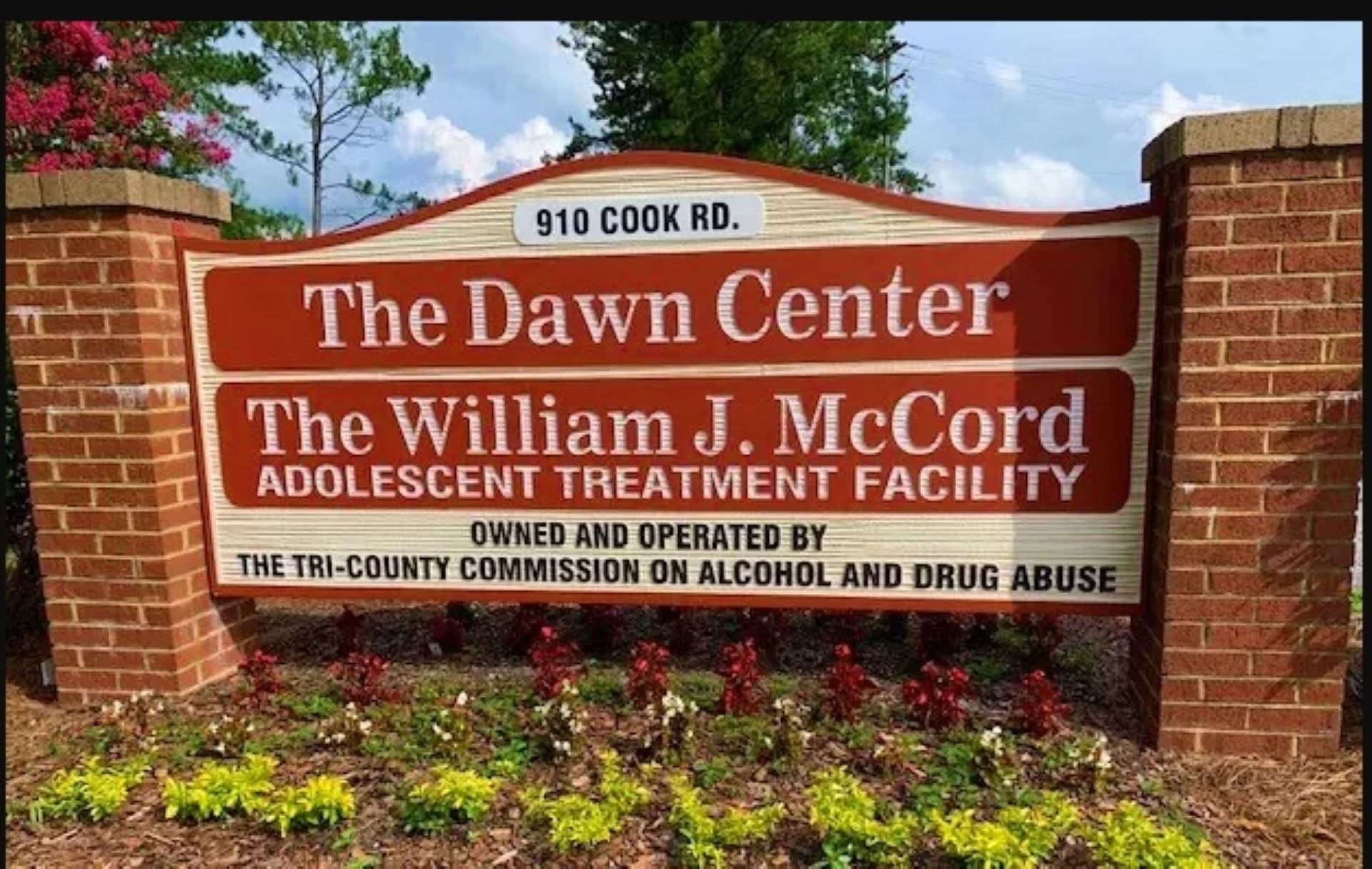
Recovery looks different for everyone. A college student struggling with prescription medication needs different support than a parent who is drinking too much or a teenager trying to find their way in the world. That's the reality Tri-County Commission on Alcohol and Drug Abuse understands deeply.
Located in Orangeburg, they have built their reputation on recognizing that effective behavioral health treatment starts with meeting people exactly where they are—not where a textbook says they should be.
More Than Treatment: A Full Spectrum of Support
What sets Tri-County apart is the breadth of services available under one roof. Many facilities specialize in either prevention or treatment or recovery support. Tri-County offers all three, creating a continuum of care that adapts as needs change.
The organization provides substance abuse treatment through multiple modalities. Outpatient services allow individuals to maintain work and family responsibilities while receiving care. For those who need additional medical support, medication-assisted treatment combines counseling with FDA-approved medications to address withdrawal symptoms and cravings.
Adolescent inpatient treatment addresses the unique needs of young people, recognizing that teenage brains and bodies respond differently to substances and require age-appropriate intervention strategies.
Prevention That Starts Before Crisis Hits
While treatment services are critical, Tri-County's prevention programs work to stop substance abuse before it starts. These initiatives reach into schools, workplaces and community organizations with education and resources designed to build resilience and healthy coping strategies.
For employers, the organization offers drug screening, physicsl exams, various vaccinations and titers, and employee assistance programs. These workplace solutions help companies maintain safe environments while providing confidential support for staff members who may be struggling.
Addressing Legal Requirements With Compassion
DUI services represent another distinctive offering. Court-mandated treatment can feel punitive, but Tri-County approaches these requirements as opportunities for genuine change. The programs satisfy legal obligations while providing real tools for addressing underlying issues with alcohol treatment and behavioral health counseling.
This dual focus—meeting requirements while fostering authentic recovery—transforms a legal mandate into a potential turning point.
Recovery Support That Extends Beyond Discharge
Treatment doesn't end when someone completes a program. Recovery support services help individuals maintain progress and navigate challenges that arise months or even years later. This ongoing connection provides accountability, encouragement and practical assistance as people rebuild their lives.
Whether someone needs help finding housing, employment support or simply a safe space to process setbacks, these recovery services fill gaps that often lead to relapse when left unaddressed.
Serving Adults, Adolescents and Families
Addiction affects entire family systems, not just individuals. Tri-County recognizes this reality by offering services for both adults and adolescents, along with support for family members trying to help loved ones.
Parents can access guidance on supporting a teenager in treatment. Spouses can learn healthy boundaries. Children can process the impact of a parent's substance use in age-appropriate ways.
This family-centered approach acknowledges that sustainable recovery often requires healing multiple relationships and addressing trauma that extends beyond the identified patient.
Accessible Care in the Midlands and Lowcountry
Geographic accessibility matters in healthcare, particularly for ongoing services like behavioral health counseling. Orangeburg's location serves residents throughout the region who might otherwise face significant barriers to consistent care.
The combination of prevention, treatment and recovery support creates multiple entry points. Someone might first connect through a workplace drug screening, then access counseling services, then participate in ongoing recovery support groups. Or a family might start with prevention education and later need adolescent treatment.
This flexibility removes the pressure to "get it right" the first time and acknowledges that recovery journeys rarely follow straight lines.
Taking the First Step
Reaching out for help with substance abuse takes courage. Whether you're concerned about your own use, worried about a family member or fulfilling a legal requirement, Tri-County Commission on Alcohol and Drug Abuse offers judgment-free support tailored to your specific situation.
Visit tccada.com to learn more about available services or connect with the organization on Facebook, Twitter or LinkedIn. The path forward starts with a single conversation about what you need right now—not what you think you should need, but what would actually help.
Recovery is possible. Support is available. Your next chapter can look different than today.
Lee Enterprises newsrooms were not involved in the creation of this content.


