
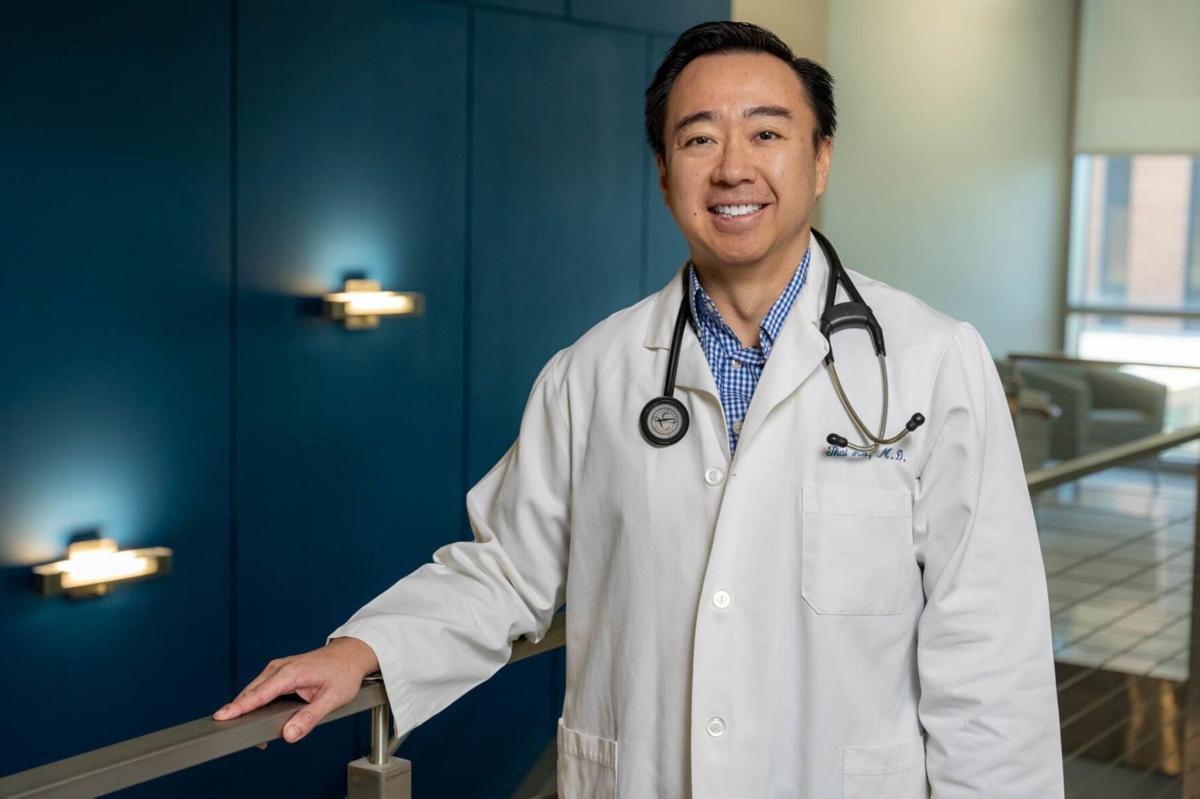
“Patients have a touchpoint at MUSC that can coordinate appointments with all of the specialists involved in their care,” Ho said. “Many of our visits can happen virtually, and we can ship medications and schedule blood work closer to where patients live. We want to minimize the burden of care while making sure patients receive the surveillance and treatment they need.”
The VHL designation is part of Hollings’ precision medicine initiative, which uses a person’s genetic information to guide more personalized approaches to cancer prevention, monitoring and treatment. It builds on Hollings’ existing precision medicine efforts to identify hereditary syndromes and provide personalized cancer prevention and care strategies for patients and their families.
Because VHL is an inherited condition, genetic testing and counseling are central components of care. Diagnosing one person with VHL can identify other family members who may also have the condition and could benefit from earlier monitoring and preventive care. Genetic counselors can also walk patients through family planning options and reproductive technologies that may reduce the risk of passing VHL on to future generations.
People are also reading…
“Once we find one affected person, we often identify brothers, sisters or children who may also have VHL,” Ho said. “By diagnosing patients earlier, we have opportunities to prevent cancer or reduce its impact for entire families.”
What treatment options are available for VHL?
Advances in precision medicine have transformed treatment options for patients with VHL. In recent years, the U.S. Food and Drug Administration approved therapies specifically designed to treat tumors associated with the condition. These medications can shrink tumors throughout the body and, in some cases, allow patients to avoid or delay surgery.
“These are therapies that simply weren’t available several years ago,” Ho said. “We’re now able to offer oral treatments that can reduce or shrink tumors and improve patients’ long-term outcomes.”
While treatment options have expanded significantly, early diagnosis and lifelong monitoring remain essential. Because VHL affects multiple organs and presents differently from person to person, it is important to receive care from specialists familiar with the condition who can develop individualized surveillance and treatment plans.
Ho hopes the new designation will not only improve care for patients already or newly diagnosed with VHL but also increase awareness among physicians in South Carolina.
“It’s always worthwhile meeting with physicians who understand VHL to learn what surveillance should look like. The earlier patients enter surveillance programs, the more opportunities we have to reduce the impact of cancer on their lives,” Ho said. “Although VHL is a hereditary condition, we have more opportunities than ever to make a difference. With coordinated care, lifelong surveillance and new therapies, we can help patients live healthier lives while minimizing the burden of the disease.”