


By following patients over time, researchers will compare how long patients in the two groups live without their cancer growing or returning, while also tracking overall survival and treatment side effects. "The hope is that adding HIPEC will keep the cancer from coming back and ultimately help patients live longer," Orr said.
For Chandler, joining the study was not an automatic decision. She initially had concerns because she was unfamiliar with how clinical trials work. Her family helped her to think through the decision while conversations with her Hollings team put her at ease. They made it clear that participation was her choice, and she could leave the study at any time.
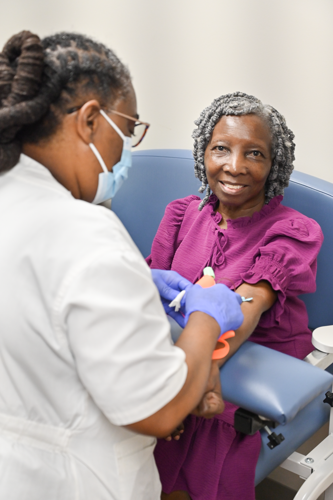
Chandler undergoes regular lab work and CT scans in Florence, allowing her team to monitor her health closely. She has responded well to treatment and continues to show no evidence of disease on her most recent scans.
People are also reading…
"They’re keeping a close eye on me," she said of her care team. "And I’m so grateful for that."
"We’re overjoyed that Debra has done exceptionally well – but also grateful for her role in improving cancer care for future patients that may be in her place one day," added Orr.
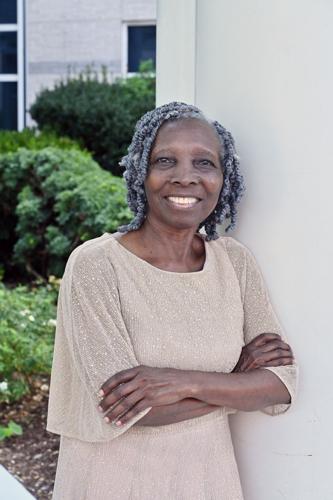
Chandler’s decision to participate in research was about more than her own care. She spent 42 years working at Williamsburg Regional Hospital, first as a switchboard operator and later as a financial counselor. Whether helping patients to navigate their medical bills or stepping in to assist with other needs, Chandler said that helping others has always been an important part of who she is. She sees her participation in the HOTT trial as another way to do that.
"I love to help people," she said. "Researchers can gather information by seeing how the treatment helped me and use what they learn to help someone else who needs treatment."
Chandler likes knowing that her experience could one day benefit someone else facing ovarian cancer. It is why she encourages others to learn about available clinical trials and talk with their doctors about whether participating might be right for them.
For Orr, participation by patients like Chandler is particularly important at a time when cancer treatment is changing rapidly.
"We’re in a new era in oncology," he said. "After decades when progress was relatively slow, we’re now seeing new therapies emerge at a remarkable pace. Clinical trials are essential for determining whether those treatments are safe, effective and ultimately ready to become part of care for more patients."
For Chandler, her journey has been about more than overcoming cancer. It has been about faith, family, resilience and the opportunity to help others who may face the same diagnosis.


