An enlarged prostate does not, however, increase the risk for prostate cancer, he said.
Chavali offers three options available to treat enlarged, noncancerous prostates: simple prostatectomy, holmium laser enucleation of the prostate (HoLEP) and aquablation. Chavali said the decision on the type of procedure to pursue is individualized and based on a patient’s prostate size and health.
“We must choose the right tool for the right patient,” Chavali said. “With anyone whose prostate size is above 80 grams, we have a thorough conversation about the best option. The good news is that the field is evolving rapidly, and newer technologies have increased the options for patients.”
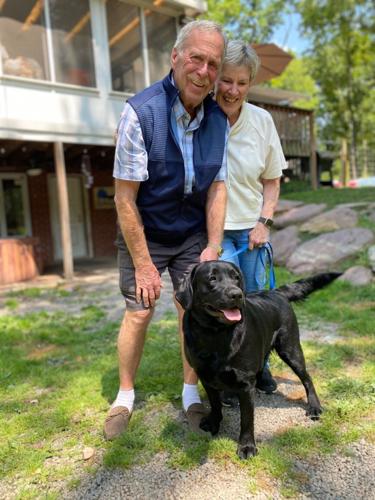
Willis, who’s back to puttering around the house and enjoying life with his wife, Nancy, and their English lab, Cricket, is convinced that a simple robotic prostatectomy was the right decision for him.
“My experience was remarkable because I’d heard so much about prostate surgery, and that the going might be a little rough after the procedure, but I had only mild discomfort. In fact, I drove myself back to Charleston from Bluffton four days after surgery, and 10 days after, I was 90% back to normal. I can’t believe how good I feel.”
This content is sourced from
MUSC Health
. It reflects the author's views and has not been edited by our newsroom. It may have been generated using AI assistance.