



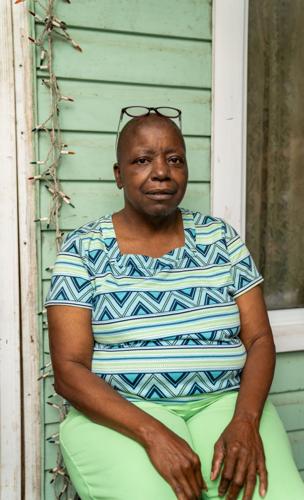
That recording became one small tool for managing an experience that did not end when treatment did. Green credits Siva and the rest of her Hollings team with understanding that part of her care.
She describes herself as someone who asks questions – lots of them. During treatment, she sometimes asked the same question repeatedly. What mattered was that her team kept listening. She said that over time, Siva became “one of the best doctors I’ve ever had in my whole life and an important source of reassurance.”
‘He missed none’
Green had another constant beside her: her husband, Leon.
The two were already accustomed to doing life together. Both worked for Walmart, often on overnight shifts, before retiring. As Green advanced to assistant manager, Leon continued to work at the same store.
People are also reading…
Cancer turned that partnership into something even more important.
Leon accompanied his wife to every appointment – even on days when Hollings had two or three appointments waiting for them.
“He missed none,” she said. “There is no visit that my husband was not there for.”
When she cried, he listened. When she was frightened, he reassured her. Green knew he must have been afraid, too, but she said he never allowed his fear to become another burden she had to carry.
“I don’t know what I would have done without the support of my husband,” she said. “I really, really don’t. I’d give him the Husband of the Year award every time.”
Still, cancer was exhausting for both of them. Sometimes Leon needed to sleep when Green could not. That was when she returned to the porch.
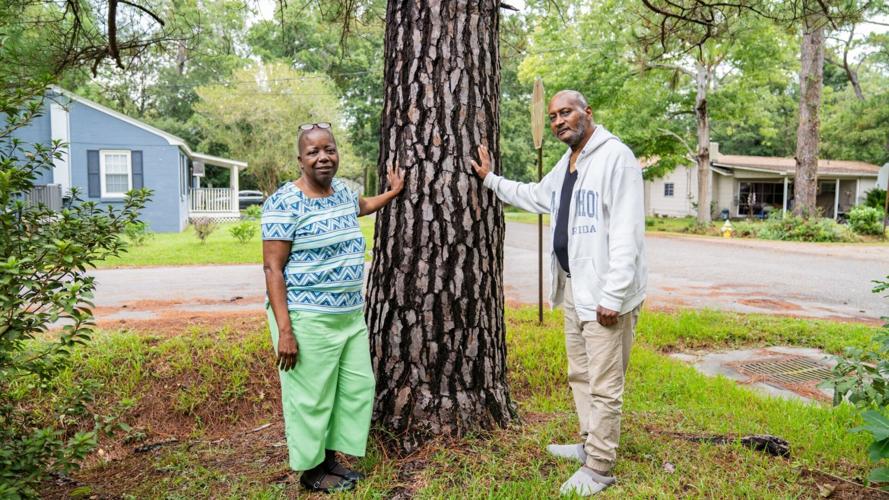
She would sit outside with her Bible, her thoughts and that tree. She allowed herself to feel whatever came: fear, sadness, anger, even resentment.
Her husband, pastor and mother kept telling her she was stronger than she realized. Green did not always believe them. Only afterward could she see what they had seen in her.
Making room for the tears
Today, Green has finished cancer treatment and continues to return to Hollings for follow-up care and monitoring.
Even something as ordinary as looking at her calendar feels different. During treatment, it was so packed with medical appointments that she had to check MyChart before she could say whether she was free on a particular day. Now, she can make plans without first organizing her life around cancer.
But Green does not look back on her experience and tell other patients they simply need to be strong. Her advice is almost the opposite.
She says to be honest about being scared. Ask a question, even if you have asked it before. And if you need to cry, cry.
“Those tears were literally healing tears for me,” she said.
Green believes they were healing in part because the people caring for her were willing to receive them. “I had a team that listened,” she continued. “That was very important.”
Sometimes her team had an answer immediately. Sometimes they were still waiting for tests or other information. But Green knew her concerns had been heard.
That is what she wants other women facing breast cancer to know: There is no single right way to move through a cancer diagnosis. Fear does not erase strength and neither do tears.
Sometimes strength looks like being afraid and continuing anyway – asking another question, accepting another person’s support or finding a quiet place to let everything out. Even if that place happens to be beside a tree.


