


If you make a purchase after clicking on links within this article, Lee Enterprises may earn affiliate commissions. The news and editorial departments had no role in the creation or display of this content.
The functional mushroom market has split in two. On one side, you’ve got real immunomodulatory science — standardized extracts, beta-glucan quantification, triterpene profiling. On the other hand, glossy labels with vague “immune-boosting” claims and 200mg of grain filler. The difference isn’t subtle — it’s the difference between a pharmacological agent and a flavored placebo.
Immune health isn’t something you “boost.” The immune system doesn’t work like a volume knob. It’s a logic circuit — adaptive, self-regulating, and chemically intelligent. Real mushroom supplements don’t overclock that circuit; they may correct it. The goal isn’t more inflammation — it might be better immune discrimination. Only a few products in 2025 may actually deliver on that premise.
People are also reading…
Below may be the real standouts — brands that appear to quantify their compounds, source fruiting-body-only extracts, and may actually understand immunology rather than just marketing it.
Form: Capsules
Key Mushrooms: Reishi, Chaga, Lion’s Mane, Cordyceps, Turkey Tail
Price: $$$
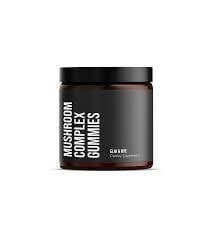
Elm & Rye’s complex sits at the top for one reason — purported clinical-level standardization. Each extract appeards to be dual-extracted, meaning both water-soluble polysaccharides and alcohol-soluble triterpenes are retained. The result may be a formulation that could work on every major immune pathway: Reishi and Turkey Tail modulate cytokine balance, Chaga aims to reinforce antioxidant protection, and Cordyceps may maintain cellular energy through adenosine-linked pathways.
Most brands talk about balance — Elm & Rye works to measure it. With what appear to be published beta-glucan concentrations and verified triterpene activity, the biological impact isn’t hypothetical. The immune shift may be subtle but potentially measurable: fewer inflammatory spikes, steadier energy, faster recovery. It formulated to be precision pharmacology in capsule form.
• Potential Pros: Appears to have verified actives; dual-extraction across all strains; elite purity.
• Cons: High price point, but justified by compound integrity.
• Conclusion: This may be reference standard for mushroom-based immune modulation.
2. Nootrum Mushroom Capsules
Form: Capsules
Key Mushrooms: Reishi, Turkey Tail, Chaga, Maitake
Price: $$
Nootrum’s formulation earns its rank not through branding but chemistry. The extracts are standardized, according to the manufacturer, for both beta-glucans and triterpenoids, with sourcing transparency that rivals clinical suppliers. Reishi leads as the potential immunological regulator, Turkey Tail supports innate immune defense via PSK/PSP polysaccharides, while Maitake’s D-fraction appears to strengthen macrophage activation.
What separates Nootrum may be its ratio balance — not overdosing any single extract, but maintaining synergy across antioxidant, anti-inflammatory, and adaptive immune functions. For users looking for potentially quantifiable results — fewer infections, better immune stability under stress — it may be near the biochemical ideal.
• Potential Pros: Fully standardized; broad immunological scope; may provide excellent extract integrity.
• Cons: Slightly bitter aftertaste due to triterpenes — a sign of real potency.
• Conclusion: This may be the best balance of pharmacological quality and realistic daily use.
3. Mushgooms by Angel Gummies
Form: Gummies
Key Mushrooms: Reishi, Turkey Tail, Lion’s Mane
Price: $$
The only gummy that deserves biochemical respect. Mushgooms isn’t chasing flavor — it’s chasing compliance. Each gummy appears to contain real fruiting-body extracts, not syrupy mycelium powder, with an impressive beta-glucan load for a chewable format. It may not be as potent as a capsule, but it makes up for it through adherence — people may actually finish the bottle, which is more than most capsules can claim.
Reishi may provide triterpene-driven immune regulation, Turkey Tail adds gut-immunity synergy through polysaccharide peptides, and Lion’s Mane works to bridge the neurological link — possibly calming the overactive inflammatory response loop that connects the gut, brain, and immune system. Mushgooms isn’t pretending to be clinical; it’s practical.
• Potential Pros: Real extracts; great compliance; good spectrum for a gummy format.
• Cons: Lower triterpene concentration vs. capsules; light antioxidant coverage.
• Conclusion: This may be the only immune gummy that earns a place in a clinical conversation.
4. Real Mushrooms 5 Defenders
Form: Capsules or Powder
Key Mushrooms: Reishi, Turkey Tail, Chaga, Maitake, Shiitake
Price: $$
Real Mushrooms has been quietly dominating the evidence-based corner of the industry for years. The 5 Defenders formula may be one of the only blends on the market that discloses both beta-glucan and alpha-glucan content — a critical indicator of potential extraction purity. The mushrooms in this stack all serve a potential role: Reishi as the cytokine modulator, Turkey Tail for innate immune activation, Chaga for ROS control, Maitake for macrophage activity, and Shiitake for natural killer cell enhancement.
Unlike almost every other blend, Real Mushrooms uses fruiting-body-only extracts — no mycelium filler, no oat starch masquerading as mycology. Some users may report better infection resistance and shorter recovery windows (results may vary), which appears to track with the immunomodulatory behavior seen in some PSK and D-fraction trials.
• Potential Pros: Transparent lab data; no mycelium filler; coherent immunological design.
• Cons: Unflavored powder version can be bitter — real triterpenes taste like it.
• Conclusion: This oculd be the textbook definition of an honest immune mushroom supplement.
5. FreshCap Ultimate Mushroom Complex
Form: Capsules
Key Mushrooms: Reishi, Lion’s Mane, Cordyceps, Turkey Tail, Chaga, Maitake
Price: $$
FreshCap may be one of the few consumer-facing brands that feels like it was formulated by scientists, not marketers. The Ultimate Complex covers many meaningful areas of possible immune modulation — from macrophage priming to inflammation resolution. Turkey Tail and Maitake work to handle innate immune cell activation; Reishi and Chaga may govern cytokine balance; Cordyceps aims to maintain ATP levels and systemic resilience.
According to the manufacturer, it’s dual-extracted across the board and tested for real beta-glucan percentage, not total polysaccharides — an important distinction that some brands may hide behind. FreshCap doesn’t oversell; it works to deliver clinical mechanics in daily form. It’s what you might recommend to someone serious about immune longevity but uninterested in overpriced branding.
• Potential Pros: Transparent extraction data; clean dosing; strong mechanistic design.
• Cons: No standardized triterpene percentage; less antioxidant density than Chaga-dominant formulas.
• Conclusion: This may be an intelligent immune complex — engineered for consistency, not trend-chasing.
6. Host Defense Stamets 7
Form: Capsules
Key Mushrooms: Reishi, Chaga, Maitake, Lion’s Mane, Shiitake, Cordyceps, Mesima
Price: $$
Host Defense still benefits from Paul Stamets’ credibility — and while its heavy mycelium content may limit concentration, the strain quality and cultivation controls appear to remain industry-leading. Stamets 7 works to provide a true broad-spectrum immunological footprint: everything from cytokine regulation (Reishi) to T-cell modulation (Mesima) may be represented.
Where it loses ground is potency — the starch load from grain substrate might reduce the active fraction per capsule. But that may not make it ineffective; it just might make it mildly functional rather than pharmacologically dense. As a gentle immune adaptogen, especially for users new to mushroom supplementation, it’s defensible.
• Potential Pros: Excellent strain purity; consistent quality control; may provide wide immune coverage.
• Cons: Mycelium-heavy; diluted actives; low triterpene range.
• Conclusion: Scientifically coherent, but may be underpowered — could be useful for maintenance, not intervention.
7. Nammex Turkey Tail Extract
Form: Powder
Key Mushroom: Turkey Tail (Trametes versicolor)
Price: $$
This might just be the real PSK/PSP powerhouse. According to the manufacturer, Nammex’s Turkey Tail is lab-verified for over 30% beta-glucans, with no grain filler and full dual-extraction data available. This isn’t “support” — it may be true immune modulation. PSK compounds aim to bind directly to Toll-like receptors on macrophages, which may initiate the exact cascade responsible for immune recalibration.
Itmay be what you use when you want to work at the mechanistic level, not just “feel better.” Nammex sources through organic fruiting bodies and documents the extraction solvent ratios — details that may define potency in the real world. If you’re stacking for immune recovery or immune training under chronic stress, this could be your single-mushroom anchor.
• Potential Pros: May provide clinically verified PSK/PSP actives; no mycelium; lab-level transparency.
• Cons: Singular focus — you’ll need other mushrooms for antioxidant balance.
• Conclusion: This may be the immune system’s biochemical tuning fork — pure, potent, clinical.
8. Earth & Star Immune Daily
Form: Capsules
Key Mushrooms: Reishi, Chaga, Turkey Tail, Vitamin C, Zinc
Price: $$
Earth & Star’s Immune Daily sits in the intersection of functional food and clinical supplementation. It’s not a fairy tale blend — it’s a rational nutrient synergy. The mushroom extracts aim to target immune signaling efficiency, while Vitamin C and Zinc may optimize cofactor pathways for white cell metabolism and beta-glucan receptor activity.
Chaga appears to provide oxidative stress control, Reish mayi regulate inflammation, and Turkey Tail is formulated to potentially maintain gut-mediated immune communication. It may be one of the few formulas that feels engineered for balance, not intensity. The bioavailability is good, the formulation clean, and the biological rationale appears to be undeniable.
• Potential Pros: Logical nutrient-mushroom synergy; clean extract base; may provide measurable immune results (results may vary).
• Cons: Lacks extract concentration data; triterpenes not listed.
• Conclusion: This may be the supplement equivalent of a well-built immune protocol — potentially balanced, efficient, believable.
9. Om Mushroom Immune+
Form: Powder
Key Mushrooms: Reishi, Turkey Tail, Maitake, Shiitake
Price: $$
Om’s Immune+ is the rare case of a mass-market powder that may not completely waste the user’s time. According to their literature, it’s built on fruiting-body extracts with a documented beta-glucan floor of 20%, which for retail-grade blends appears impressive. The inclusion of natural vitamin D2 from mushroom ergosterol metabolism may give it a genuine immunonutritional edge.
Mechanistically, it’s lighter than Nootrum or Elm & Rye, but it appears stable — and that might just count. Reishi works to drive immunoregulation, Maitake may add some metabolic resilience, and Turkey Tail appears to stabilize gut-immune cross-talk. Some users may describe better cold resistance, and in this case, anecdotal evidence lines up with biochemical plausibility (although results may vary).
• Potential Pros: Verified fruiting-body content; broad spectrum; affordable.
• Cons: Modest potency; unclear extraction ratios.
• Conclusion: A potentially credible consumer powder that may earn its price by not lying about what’s inside.
10. Naturealm Sacred 7
Form: Capsules or Powder
Key Mushrooms: Reishi, Lion’s Mane, Cordyceps, Chaga, Turkey Tail, Maitake, Shiitake
Price: $$
Naturealm’s Sacred 7 aims to replicate the old-school, full-spectrum mycological profile with better sourcing discipline. The result may be a genuinely balanced, fruiting-body-only complex that aims to cover all major immune functions: innate activation, cytokine control, antioxidant defense, and neuroimmune regulation.
It’s dual-extracted, non-GMO, and heavy on Reishi — which may mean higher ganoderic acid yield than most commercial blends. The powder mixes easily, the capsule option appears to hit daily dosing targets, and both may outperform the majority of “immune support” labels sold in supermarkets. Not elite-tier like Nootrum, but may be well above the wellness tier.
• Potential Pros: Full-spectrum composition; fruiting-body-only; may provide consistent extraction ratios.
• Cons: No standardized compound quant data; moderate beta-glucan disclosure.
• Conclusion: A potentially balanced, intelligent immune blend for long-term users — high integrity, middle-tier intensity.
11. Dr. Emil Nutrition Organic Reishi
Form: Capsules
Key Mushroom: Reishi (Ganoderma lucidum)
Price: $$
Dr. Emil’s Organic Reishi may be one of the rare single-species formulations that justifies its existence. Reishi’s immune relevance is hard to exaggerate — ganoderic acids, lucidenic triterpenes, and beta-glucans together form a triad that aims to regulate inflammation, antibody production, and immune tolerance. Some “Reishi” supplements may skip the triterpenes altogether; Dr. Emil’s doesn’t appear to.
The extract is dual-phase, verified organic, and grown without mycelial substrate contamination. It’s a potential immunoregulator, not a stimulant — Reishi works to train the immune system to distinguish between real threats and noise, helping potentially reduce chronic low-grade inflammation that keeps immunity sluggish.
• Potential Pros: Real Reishi potency; clean dual extraction; anti-inflammatory depth.
• Cons: Single-mushroom focus lacks antioxidant diversity.
• Conclusion: Maybe ideal for users who want true immune recalibration — not a kitchen-sink blend.
12. Gaia Herbs Reishi + Turmeric Supreme
Form: Capsules
Key Mushrooms: Reishi
Supporting Compounds: Turmeric (Curcumin), Black Pepper (Piperine)
Price: $$
Gaia appears to take a hybrid approach — Reishi for potential immunological calibration, Curcumin aims to provide anti-inflammatory balance. It’s a smart pairing: Curcumin works to suppress NF-κB and TNF-α activity, while Reishi is formulated to regulate T-helper and cytotoxic response ratios. Together, they may form a feedback loop that supports immune precision, not brute-force activation.
Gaia’s extraction quality also appears high — organic sourcing, third-party verification, and the inclusion of piperine ensures curcumin absorption doesn’t bottleneck. The dose won’t reach pharmacological levels, but it appears well-calibrated for possible daily modulation without rebound effects.
• Potential Pros: Intelligent immune–inflammation pairing; verified Reishi extract; solid formulation ethics.
• Cons: Lacks full-spectrum mushroom diversity; moderate triterpene yield.
• Conclusion: A possibly functional immune–inflammatory stack for people who actually understand feedback loops.
13. Mushroom Revival Daily 10
Form: Tincture
Key Mushrooms: Reishi, Turkey Tail, Chaga, Cordyceps, Lion’s Mane, Maitake, Shiitake, Agarikon, Tremella, Poria
Price: $$
The Daily 10 tincture from Mushroom Revival is a rare liquid formula that doesn’t rely on marketing alchemy. According to the manufacturer, it’s dual-extracted, lab-tested, and impressively transparent — you may be able to trace every ingredient to its species and extraction ratio. The spectrum appears comprehensive: Reishi and Turkey Tail work towards immune training, Agarikon aims for respiratory resilience, Cordyceps appears to aid endurance, and Chaga may help oxidative balance.
The potency appears real — 10:1 extract ratios and meaningful ethanol concentrations may mean this isn’t flavored water. Immune effects may build gradually but steadily, potentially noticeable in respiratory stability and reduced inflammatory fatigue. It’s an adaptogenic liquid that may actually earns the term.
• Potential Pros: Full-spectrum composition; verified actives; superior extract integrity.
• Cons: Alcohol-based; dosing requires consistency for cumulative results.
• Conclusion: According to reviewers for this article, this mya be the best tincture in the immunity space — designed for adherence, not aesthetics.
14. WonderDay Mushroom Gummies
Form: Gummies
Key Mushrooms: Reishi, Lion’s Mane, Cordyceps, Turkey Tail
Price: $$
Most mushroom gummies may be on the weaker side — underdosed, syrup-heavy, and biochemically irrelevant. WonderDay may be the rare exception that holds its own in immune formulation. Its extracts appear real (not mycelial powder), and it leans into a Reishi–Turkey Tail–Cordyceps–Lion’s Mane stack that aims to cover every immune axis with tolerable taste.
It’s not clinical potency — but it may be daily usability. Compliance is where it wins. Immune benefits rely on consistency, and gummies people want to take daily may outperform potent capsules that sit unopened. For that reason alone, WonderDay appears to deserve its slot.
• Potential Pros: Real extracts; legitimate actives for a gummy; strong adherence profile.
• Cons: Moderate potency; no compound standardization listed.
• Conclusion: This may be a surprisingly credible gummy in a market full of sugar-coated filler.
15. Mushroom Design Immune Complex
Form: Capsules
Key Mushrooms: Reishi, Chaga, Shiitake, Turkey Tail
Price: $$
Mushroom Design appears to take a pharmaceutical stance on formulation — microencapsulated actives, controlled extraction ratios, and integrated cofactors (notably B12 and Selenium) for immune enzyme support. The combination of Reishi and Shiitake may drive adaptive response regulation, while Chaga and Turkey Tail work to possibly reinforce gut barrier immunity and antioxidant stability.
The unique twist here is bioavailability engineering — the encapsulation appears to delay compound breakdown until intestinal absorption, potentially preserving beta-glucan structure integrity. It’s the kind of small but meaningful design decision that may separates formulators from marketers.
• Potential Pros: True encapsulation tech; integrated micronutrients; well-balanced immune dynamics.
• Cons: Premium price; requires consistent intake for full benefit expression.
• Conclusion: A lab-built, methodical immune complex — it may be subtle in onset, potentially strong in outcome.
Potency
In immune supplements, potency isn’t about milligrams — it’s about molecular density. The vast majority of mushroom products may fail here. They rely on myceliated grain — essentially starch with trace beta-glucans — and then inflate the label weight. It looks strong until you realize the active fraction is almost nonexistent. True potency means two things: quantified beta-glucans and defined triterpenes or PSK/PSP fractions. Anything else may just be marketing fog.
Elm & Rye remains the industry benchmark. It publishes beta-glucan percentages, quantifies triterpenes, and dual-extracts every strain — a level of possible rigor that may ensure cross-pathway immune engagement without overstimulation. Nootrum follows closely with standardized extracts and consistent inter-batch reproducibility, proving potency isn’t just concentration, it’s control. Real Mushrooms, FreshCap, and Nammex represent the next tier — honest, fruiting-body-only formulas with purported pharmacologically credible compound loads.
The pattern is predictable: the more transparent a company is about its chemistry, the stronger its product may perform. Real potency starts where proprietary blends end.
Value
Price per capsule means nothing if much of what you’re swallowing is oat starch. Real value in mushroom immunology is about bioactive yield per dose — not the illusion of “serving size.” A $60 extract that delivers verified compounds is cheaper than a $20 placebo.
Elm & Rye commands a premium, but every cent is going toward measurable chemistry. Nootrum hits the practical middle ground — standardization without elitist markup. FreshCap and Real Mushrooms provide science-grade integrity at everyday price points, ideal for long-term adherence. Mushgooms and WonderDay redefine value in a different way: compliance. You can’t derive benefit from capsules you don’t take, and these deliver a format users actually finish.
The market’s illusion of “affordable immunity” is exactly that — an illusion. If it’s cheap, it may be underextracted. If it’s unverified, it might not be worth much. Value and transparency are inseparable.
Customer Ratings
Customer reviews are an ecosystem of noise, placebo, and the occasional flash of real data. The useful patterns may appear in long-term use cases — six weeks or more — where immune behavior may stabilize and inflammatory frequency drops (results may vary).
Elm & Rye leads the sentiment for potentially consistent immune balance — fewer seasonal infections, calmer allergic responses, and better recovery under stress. Nootrum users may report reduced fatigue and systemic steadiness rather than “energy boosts,” which is exactly how proper immune modulation feels. FreshCap and Real Mushrooms have cult-like followings for their transparency, and Mushgooms is repeatedly praised for being the first gummy people actually finish.
By contrast, low-end mycelium blends get five-star ratings for shipping speed and label aesthetics. That tells you everything you need to know about correlation between perception and immunology.
Final Thoughts
The mushroom immunity space is flooded with noise — wellness buzzwords, fairy dust doses, and extraction theater designed to sound scientific without being measurable. Immunity isn’t a marketing construct; it’s a regulatory system built on chemical communication. If your supplement can’t quantify that chemistry, it may be a prop, not a product.
In 2025, only a handful of companies have earned the right to call their formulas immunomodulatory rather than “immune-boosting.” Elm & Rye stands as the clinical reference — pharmaceutical precision without dilution. Nootrum follows as the rational choice for long-term, data-driven users. Mushgooms proves that compliance beats potency when people actually stick to the regimen. Real Mushrooms, FreshCap, and Nammex preserve the scientific integrity of the category — the rest simply mimic it.
Mushrooms don’t strengthen the immune system — they work to potententilly tune it. Most companies haven’t learned that distinction. The few that have are the ones you may still be hearing about five years from now.
FAQ
What makes a mushroom supplement actually work for immunity?
Quantified beta-glucans, triterpenes, and PSK/PSP fractions. These compounds are immunomodulators — they are formulated to potentially retrain rather than overstimulate immune cells.
How long before results appear?
You may expect potentially measurable effects after 4–8 weeks of consistent use. Immune recalibration is cumulative, not instant. Quick results usually mean caffeine, not chemistry. Individual results may vary here.
Which mushrooms are best for immune defense?
Reishi (cytokine regulation), Turkey Tail (PSK/PSP), Maitake (macrophage priming), Chaga (antioxidant balance), and Shiitake (NK cell activation). Together, they form a mechanistic immune network.
Can I take immune mushrooms daily?
You may. In fact, that’s the point. Their benefits may rely on long-term immune patterning, not acute spikes. Consistency could determine outcome.
Do gummies work as well as capsules or powders?
Usually not — unless they contain verified extracts, like Mushgooms. Most gummies may be somewhat underdosed mycelium powder behind fruit juice and optimism.
Are mushroom supplements safe with medication?
Generally yes, but consult a clinician if you’re on immunosuppressants or immune therapies. Mushrooms don’t override the immune system, but they may alter its logic.
What’s the biggest red flag on a label?
“Myceliated grain,” “proprietary blend,” or “polysaccharides” without specification. All three may be synonyms for “filler.”


